Minnewaska State Park Preserve, Mossy Glen, Lake Awosting, 5.9 Miles RT, 574' +/-, January 11, 2026

Minnewaska State Park Preserve, Mossy Glen, Lake Awosting, 5.9 Miles RT, 574' +/-, January 11, 2026

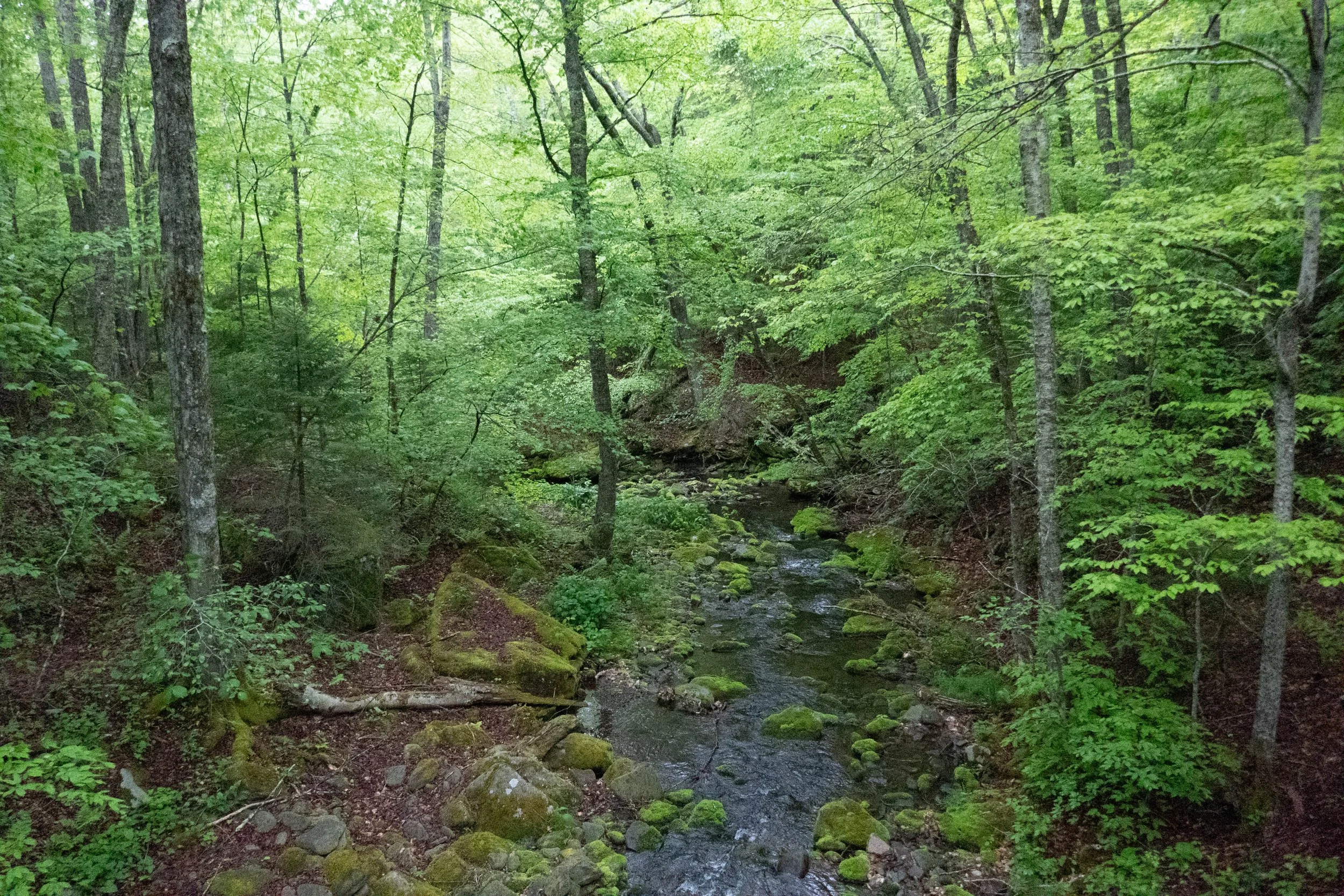
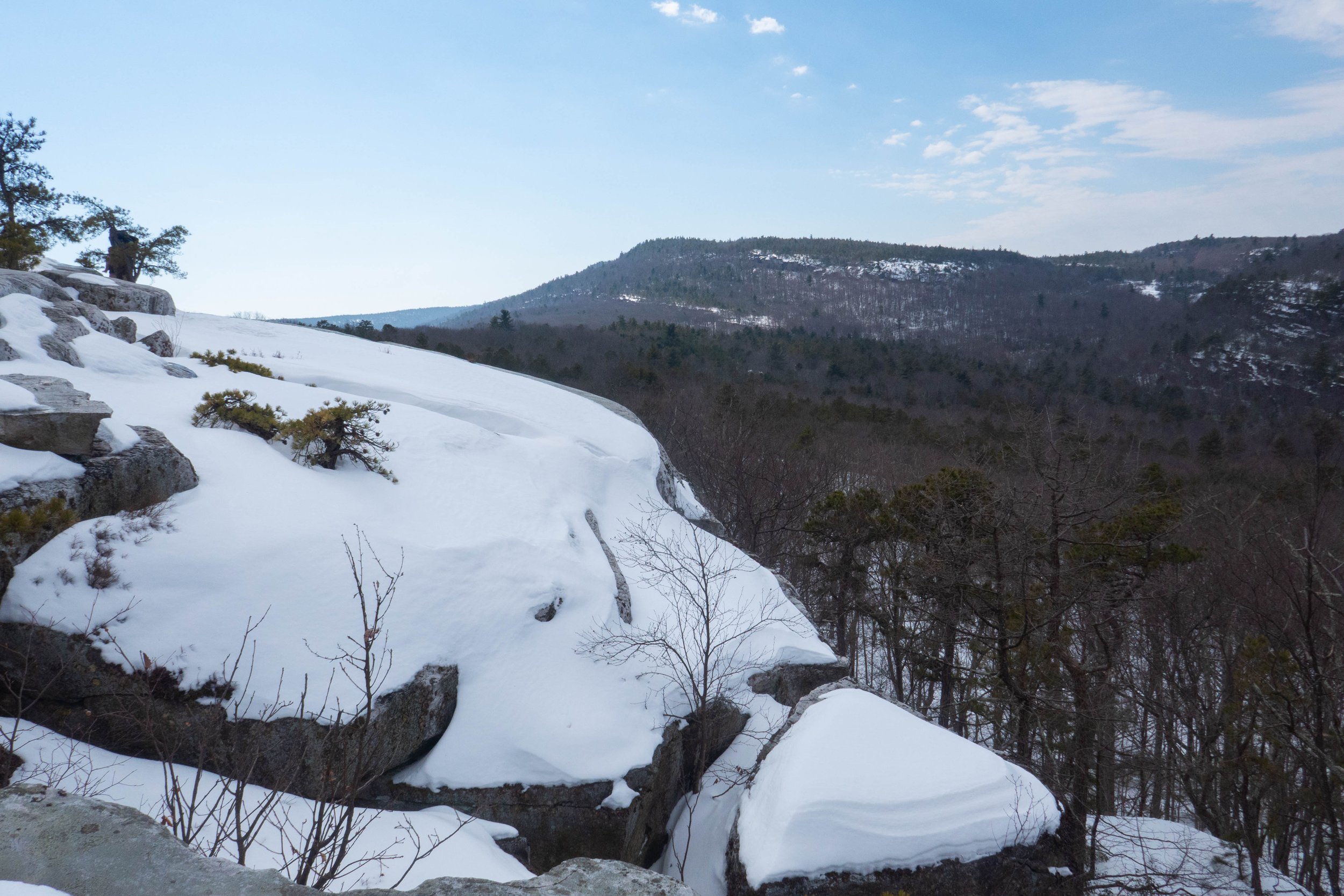
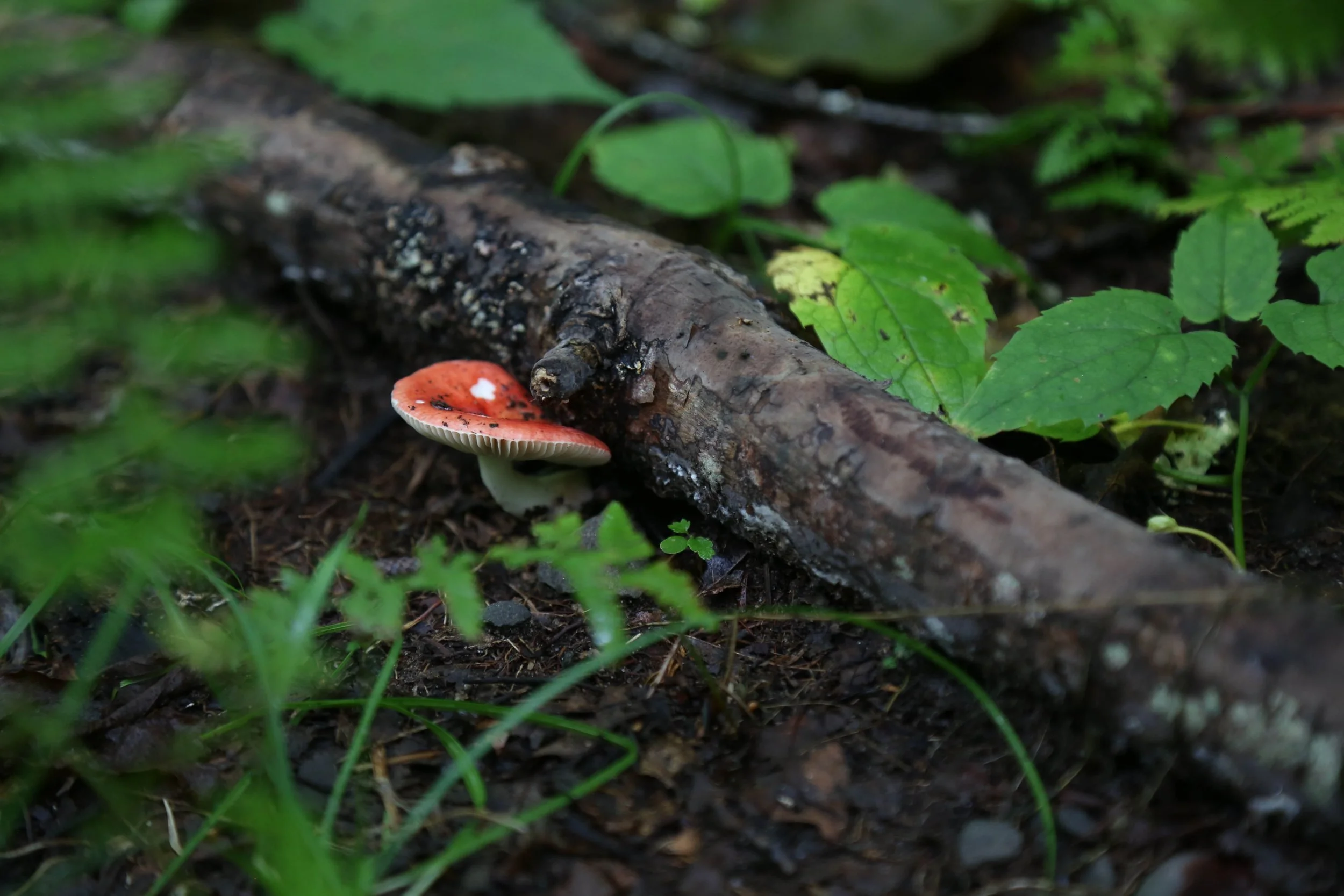
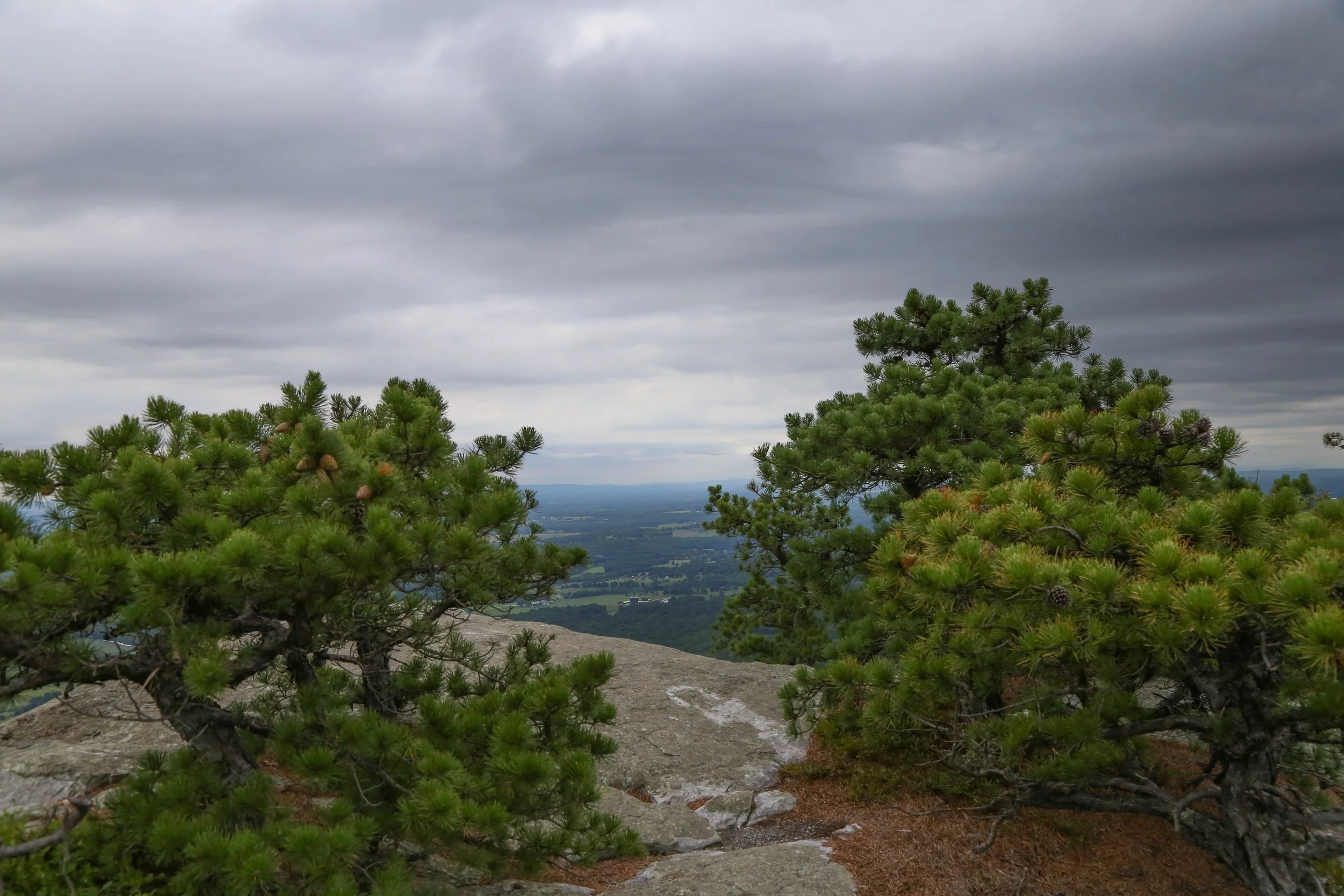
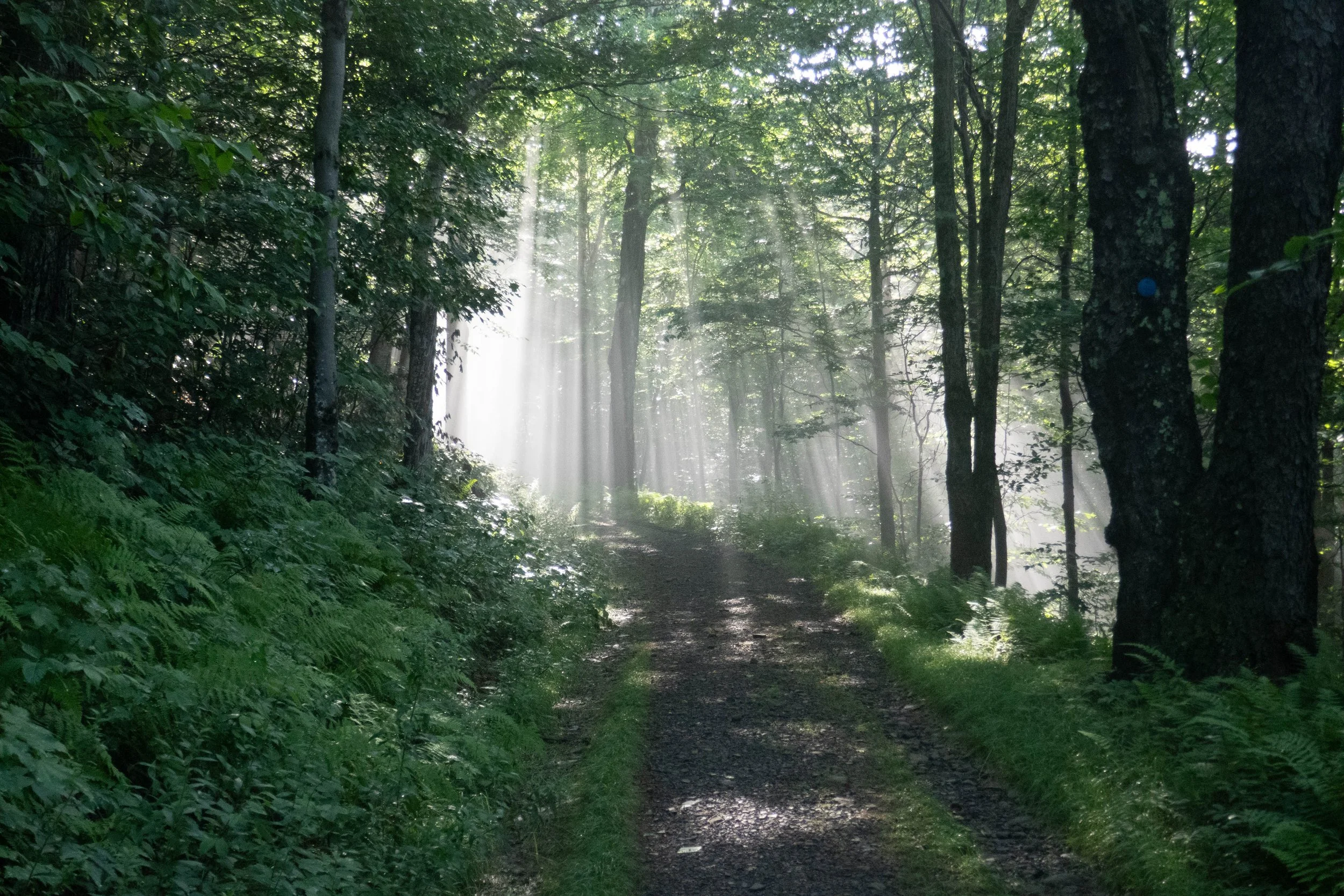
IIt has been a month since we’ve been able to go out for a hike, and I have been craving that balance between nature and city. This past weekend was our first hike of 2026, and getting out into the woods was much overdue. I had been wanting to check out Minnewaska State Park Preserve for some time, and today we made the hour and forty-minute drive out of the city to explore it.

Minnewaska State Park Preserve is located on the Shawangunk Ridge in Ulster County, New York. The Shawangunk Mountains, aka The Gunks, extend from the northernmost point of the border with New Jersey to the Catskills. It’s a continuation of the easternmost section of the Appalachian Mountains. In New Jersey, this ridge is known as Kittatinny Mountain, which we have hiked many times in the Delaware Water Gap.

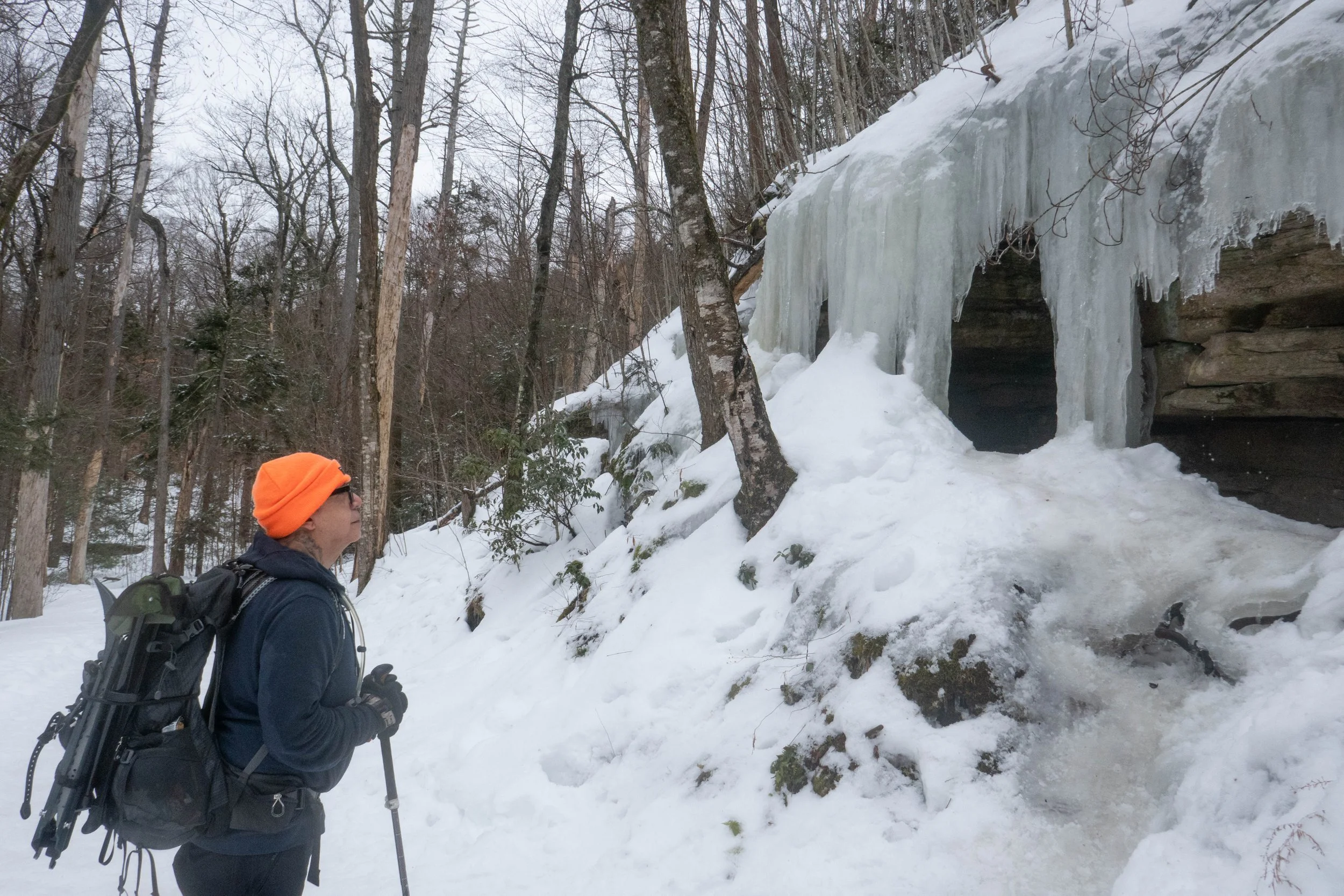
With the freeze-thaw conditions over the past week or so, I knew the terrain would be a mixed bag of mud, snow and hard-pack ice requiring traction. We brought our microspikes and snowshoes, which I keep in the back of my car throughout the winter just in case there’s enough snow for snowshoeing. I’d studied the winter recreation map, as some trails are closed to hikers during the winter, and chose the Mossy Glen Trail to Lower Awosting Carriage Road to the lake and back.

We entered the main parking area just off Route 44, where there is a kiosk, and a helpful ranger handed us a map and advised us on trail conditions that would require microspikes throughout. There was a $10 fee, which goes back to fund the park, which I did not mind paying. To be honest, I’m so used to hiking in remote areas with no facilities or information that sometimes I really appreciate a nice, paved parking area with bathroom facilities and a visitor center!

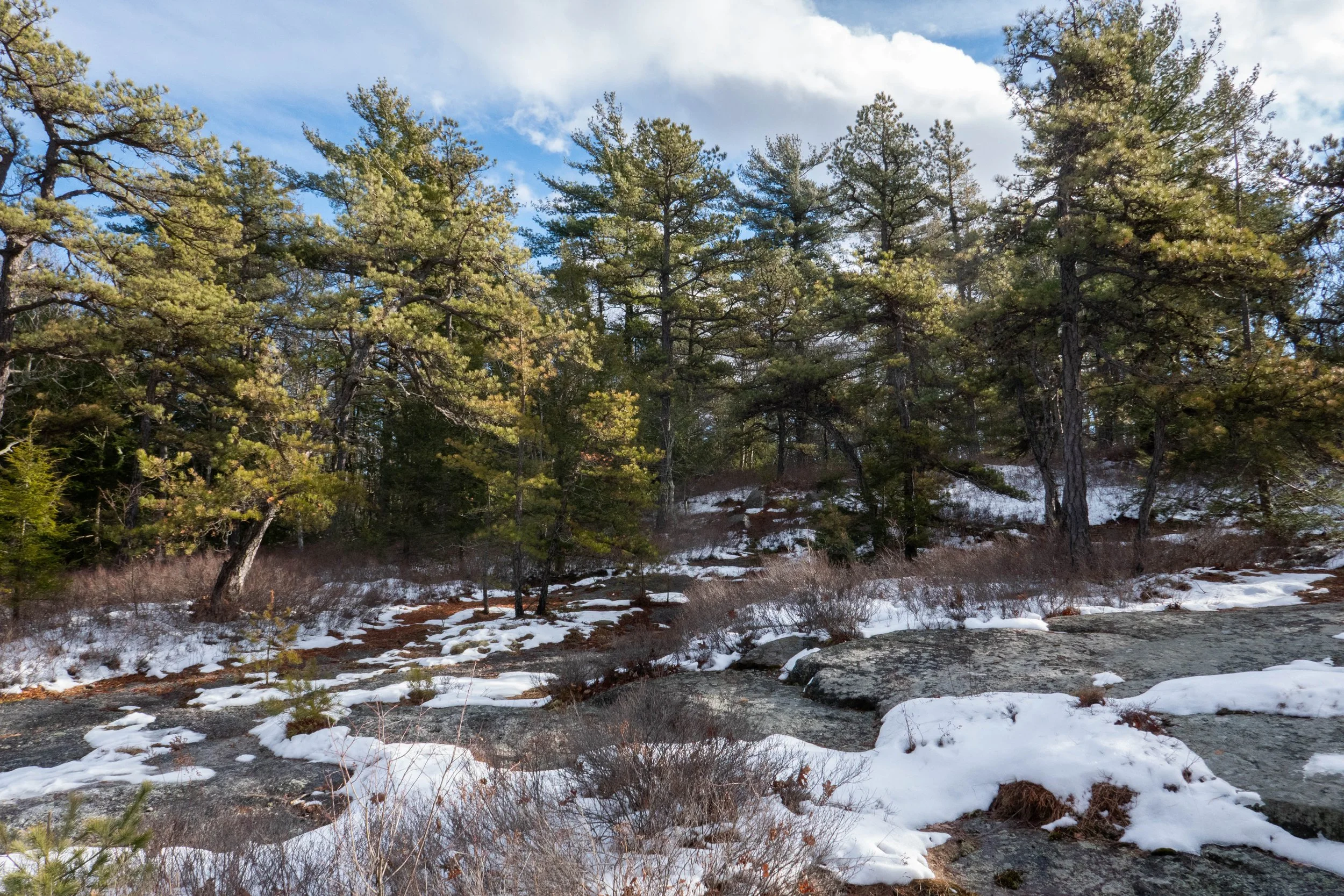
The morning was chilly, but there was no wind, and the sun was glistening on the ice-covered carriage road, which begins the hike. Then we entered the glen, which runs along the Peterskill stream. The trail undulated through beautiful hemlock, pitch pine, hardwoods, and rhododendron tunnels. There were wooden bridges to cross over the stream and wooden planks to navigate along the trail. Along Peterskill stream, we walked across large flat rocks layered in about six inches of hard-pack ice. The day could not have been more beautiful.

The Mossy Glen Trail terminates at the junction for the Blueberry Run footpath. You can continue south on the Blueberry Run Trail up to Castle Point Ledge, or north, crossing back over Peterskill to the Lower Awosting Carriage Road. We chose to cross back over the stream, continue southwest to Lake Awosting, and then head back along the carriage road to return to the trailhead. Lake Awosting is one of The Gunks’ five naturally occurring “sky lakes.” It was looking pretty well frozen today.

After checking out the lake, we made our way back, crunching along the carriage road in our microspikes. From here we caught a glimpse of the Catskills just north in the distance. We passed a few people out for a walk with their dogs, some wearing traction and some slipping and sliding without. It was about 12:30 pm, and we decided to grab lunch and a couple of brews up the road at Rough Cut Brewing. By the time we were ready to get back on the road, the sun was covered by clouds, the winds were picking up, and there were a few snow showers passing through. We got back to the city just in time to enjoy the rest of the evening, warm, cozy, and satisfied with our much-needed time spent in nature.

Click “Read More” below for more photos.

Read More

First Winter Hike in the Catskills & a Cozy Cabin, December 13 & 14, 2025

First Winter Hike in the Catskills & a Cozy Cabin, December 13 & 14, 2025

Another trip to the Catskills! I was counting the days until we could get back up. I’ve really fallen in love with these mountains. Every time we go, they become more and more familiar. This time we stayed in Phoenicia in a rustic cabin. The cabin had a warm, glowing fire, and the main lodge was decorated for the holidays, which really set the mood perfectly. The town of Phoenicia is centrally located in the Catskills, so it was a great base with plenty of options for different hiking trails.

There was already snow on the ground from a few days earlier, so I wasn’t sure how my low-clearance car was going to manage. I went with no expectations and decided that if worse came to worst and we didn’t get out on the trail, we’d still have a nice place to stay and relax.

Our original plan was to hike to Balsam Lake Fire Tower. This trip was more of a recon trip to reacquaint ourselves with our winter gear and get a feel for hiking upstate. We’re experienced with snow hiking on the West Coast, but the East Coast is a completely different beast. The cold and wind come at much lower elevations, and as with any mountain, temperatures and weather conditions can change in an instant.

As we drove along Route 28 and up and over Belleayre Mountain, the temperature dropped, the winds picked up, and the snow started coming down fast. We decided to turn around, just in case conditions got worse. If we had an AWD vehicle, that might have been a different story, but I didn’t want to spend the weekend waiting for a tow truck to pull us out of a snow drift.

It was already late in the day, so we decided to head over to the trailhead for Hunter Mountain on Spruceton Road and see what the driving was like over there. I was more worried about the car than the hiking, because once we’re on the trail, we’re good to go.

The afternoon was very quiet and still, and the only sound I heard was the flow of Hunter Brook. The trail was doable in either spikes or snowshoes; however, if we’d had time to go farther up the mountain, we definitely would have switched to snowshoes.

We were able to get in a few miles before the short winter day started to fade and the sun began to set behind the mountain. We headed back to the cabin, checked in, and then went out for a bite to eat before settling in for a warm, cozy evening.

The night was so quiet and peaceful. We woke up Sunday morning to a few more inches of snow. It was nice to look out the window and see towering pine trees instead of towering skyscrapers for a change. We had a light breakfast and took our time in the morning, hoping the DEC might have the trailhead plowed out so we could get in another hike on Hunter before heading back to the city. Spruceton Road was plowed just fine, but unfortunately the parking area at the trailhead wasn’t, and my car just can’t handle snow like that. We headed back to the cabin to enjoy the rest of the day in the beauty of the Catskills, with a cozy fire and each other’s company, before making our way back to the city.

Click “Read More” below for more photos.

Read More
Harriman State Park, Pine Meadow Lake Out & Back, 6.7 Miles RT, 650' +/-, November 23, 2025

Harriman State Park, Pine Meadow Lake Out & Back, 6.7 Miles RT, 650' +/-, November 23, 2025

This weekend we stayed close to the city and explored Harriman State Park. I didn’t do a ton of research before heading out, but I learned that the land was donated by the Harriman family, who were affiliated with the railroad. They gifted a large portion of land to create a state park in order to prevent the state from building a prison at Bear Mountain.

I chose a relatively easy hike in the southern portion of Harriman, about 45 minutes outside the city. The trail follows a steady, rocky grade along Pine Meadow Brook up to Pine Meadow Lake. The area around the lake was once settled by the Conklin family around 1724. The last resident, Ramsey Conklin, was evicted by the Palisades Interstate Park Commission in 1935 so the lake could be constructed. There’s a sign along the trail near the spot where the cabin once stood, along with the ruins of an old pumphouse and remnants of group camps that were never completed.

Along the way we passed some interesting boulder formations which are great places to take a break or just sit and enjoy the lake views. The hike was a little over six miles, and we finished fairly early so we could get back to the city. There are so many more trails in Harriman, and it’s such a great option so close to NYC. I’m looking forward to exploring more of the park and its history.

Click “Read More” below for more photos.

Read More
Catskills, Kaaterskill Falls & North/South Lake Campground, Kaaterskill Wild Forest, November 9, 2025

Catskills, Kaaterskill Falls & North/South Lake Campground, Kaaterskill Wild Forest, November 9, 2025

We woke up to rain this morning and hit the road fairly early.  With the somewhat inclement weather, I figured it might be a perfect time to visit Kaaterskill Falls.  This area of the Catskills is usually packed because of its popularity and the easy walk to the viewing platform above the falls.  When we arrived at the parking lot on Scutt Road, there was only one other car.  We headed into the woods and hiked through a light, steady rain for about a mile until we reached the platform and the falls came into view.  

Seeing the falls in dense fog and mist was spectacular.  They had this ethereal, almost ghostly appearance, and there wasn’t another soul around.  We had the entire moment to ourselves, able to soak in the tranquility of a place that’s normally crowded.  Moments like this make me so glad I decide to get out, even in the rain and less-than-ideal hiking conditions.

With wet rocks, slippery moss, and fallen leaves, we chose to keep the morning relaxing with an easy walk instead of anything strenuous.  After leaving the falls, we hiked over to the North/South Lake area and followed a gravel path along the lake to the campground.  The campground was closed for the season, void of the usual activity and the dense fog made it feel like we were walking through a dream.  Everything looked like a painting.  I could see why artist and environmentalist Thomas Cole who founded the Hudson River School of American landscape painting was so inspired by this area.  Some of the trail even had interpretive signs from the Hudson River Art Trail highlighting the very views that inspired Cole.

I took so many photos on both my phone and my Lumix.  Thankfully, I had my phone as a backup because, just like the previous day, my SD card corrupted and wiped out all the images.

Regardless, it was an absolutely lovely morning and such a peaceful way to wrap up another Catskill weekend.

Click “Read More” below for more photos.

Read More
Catskills, Diamond Notch Falls via Spruceton Road + Hunter Mountain via Spruceton Trail out and back, 9.61 Miles RT, 2,194’ +/-, Max Elevation 4,040’, November 8, 2025

Catskills, Diamond Notch Falls via Spruceton Road + Hunter Mountain via Spruceton Trail out and back, 9.61 Miles RT, 2,194’ +/-, Max Elevation 4,040’, November 8, 2025

Our adventures this weekend took us to Hunter Mountain in the Catskills’ Hunter-West Kill Wilderness. We parked at the trailhead on Spruceton Road and began with a short hike along the Diamond Notch Trail, which follows West Kill Brook to a lovely waterfall. From there, the trail splits east along the Devil’s Path or across a bridge over the West Kill toward Diamond Notch or the Devil’s Path West. We chose to backtrack to the parking area and start our ascent of Hunter via the Spruceton Trail.

The Spruceton Trail is a wide carriage road open to both hikers and horses, though I didn’t see any recent signs of equestrian use, just the hitching rails along the way. True to Catskill form, the trail climbs steadily and with little mercy. It begins with a moderate grade through hardwood forest on a rocky but easy path. Around 3,500 feet the landscape shifts into stands of fragrant red spruce and balsam fir. The trail was muddy in places, so waterproof boots were necessary.

We passed a clear mountain spring flowing into a barrel, the spur to the John Robb Lean-to, and later the junction with the Colonel’s Chair Trail, which leads toward the Hunter Mountain Ski Lodge and chairlift.

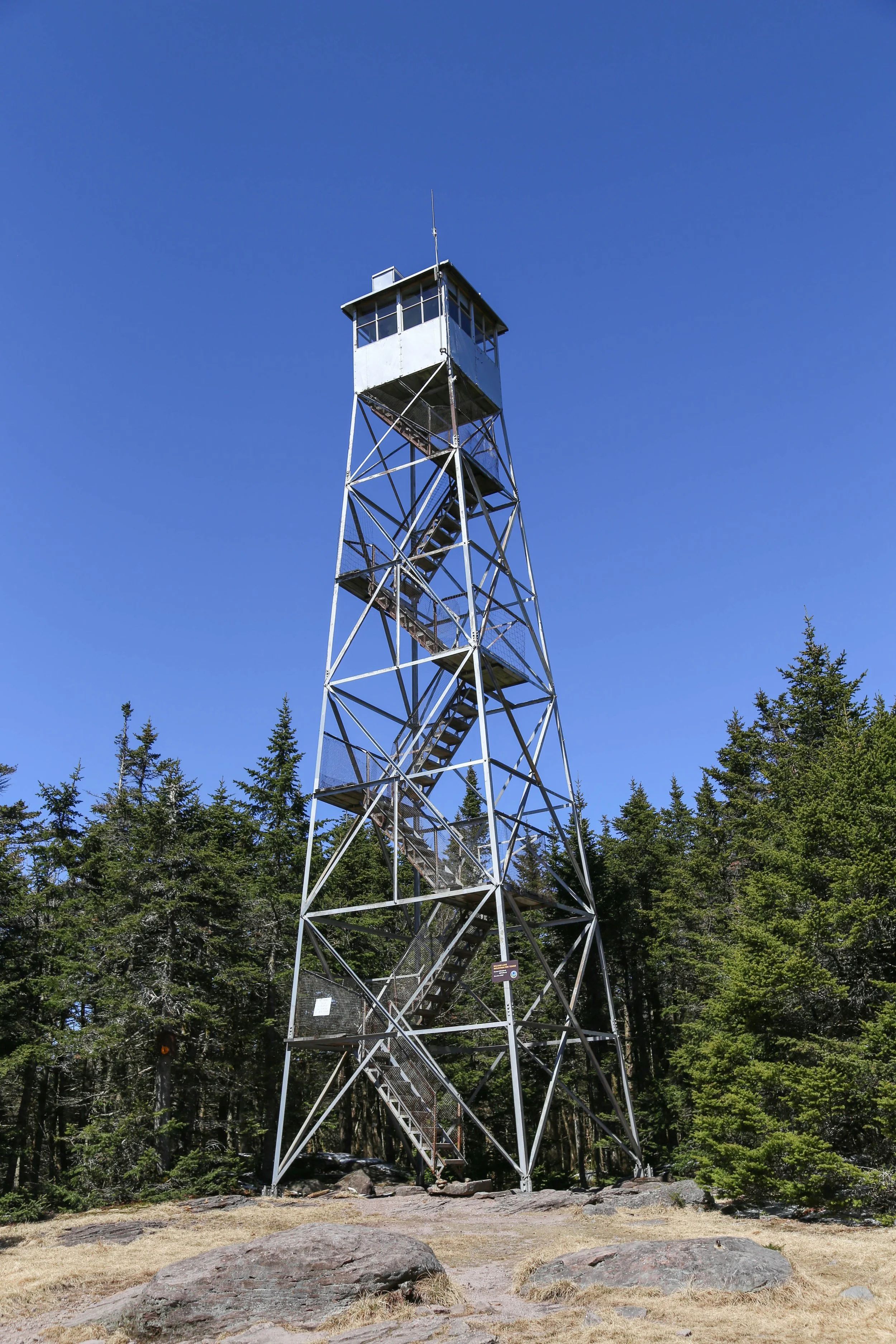
Eventually the trail leveled out a bit before climbing again at a more moderate grade, finally reaching the Hunter Mountain Fire Tower and Observer’s Cabin. Hunter tops out at 4,040 feet, and there are picnic tables at the summit too. We climbed as high as we could up the 60-foot tower, stopping just below the locked cab, which was unattended. The views were spectacular! The Hunter Mountain Fire Tower, built in 1917 and relocated to its current location in 1953, stands at the highest elevation of any fire tower in New York State. It was windy at the top, and I could feel the tower sway in the gusts, but it felt sturdy and well-built. I wished I could have stayed up there longer, but others were coming and going, eager to take in the same breathtaking views.

By the time we started back down it was around 2 p.m. Through the leafless trees, we had clear views of Rusk and East Rusk Mountains. As we descended back into the hardwood forest, tiny moths fluttered along the trail, something I’d noticed on the way up as well. It was a really great hike, and next time I’d like to start earlier and make it a loop hiking the Devil’s Path and Hunter Mountain Trail.

Note that the photos are all I was able to capture with my phone. They are both photos and video stills. Unfortunately, the SD card on my camera corrupted and I lost all photos from this weekend except for these phone pics.

Click “Read More” below for more photos from this hike.

Read More

Catskills, Mt. Tremper Fire Tower via Jessup Road, Willow Trail & Warner Creek Trail, 7.1 Miles RT, 1,837' +/-, Max Elevation 2,740', October 19, 2025

Catskills, Mt. Tremper Fire Tower via Jessup Road, Willow Trail & Warner Creek Trail,  7.1 Miles RT, 1,837' +/-, Max Elevation 2,740', October 19, 2025

We wanted to make the best out of our weekend, so we woke up and headed out to hike Mount Tremper from the Willow Parking Area located off Jessup Road. This approach is longer but less steep than hiking it from Old Rt. 28/Mt. Tremper-Phoenicia Rd.

We parked in the small lot in a residential area that had room for about six cars. The trail immediately begins a steep ascent on an old jeep road through mostly hardwoods. We hiked through the beautiful Hoyt Hollow, where huge boulders line the walls of the hollow. Here, the trail narrows as it passes through more conifers. It’s my favorite section of this hike. Some parts of the trail were slightly eroded but still very manageable. It also loses some elevation before ascending again as it meets the junction with the Warner Creek Trail.

The Warner Creek Trail is a section of the Long Path that continues past the summit of Mount Tremper to Silver Hollow Notch. It’s an undulating stretch, and the winds really picked up here. With the autumn leaves falling, we had some views to the north and south. Eventually, we reached the 47-foot fire tower at the summit. We climbed as high as we could up to the locked cab and enjoyed views of the Burroughs Range, Stony Clove, Deep Notch, and the Devil’s Path Range. We had a snack and checked out the Baldwin lean-to before heading back the way we came.

The weather was starting to turn, and it looked like rain was moving in, so we hiked back down at a decent pace. I was so focused and deep in my groove, enjoying the wind and racing the ominous weather that seemed to be approaching. As we descended, the wind died down, and we stayed well ahead of the rain. It was a great hike. I’ve really fallen in love with the Catskills!

Click “Read More” below for more photos from this hike.

Read More

Catskills, Balsam Lake Mountain Fire Tower via Dry Brook Ridge, 6 Miles RT, 1,197' +/-, Max Elevation, 3,723', October 18, 2025

Catskills, Balsam Lake Mountain Fire Tower via Dry Brook Ridge, 6 Miles RT, 1,197' +/-, Max Elevation, 3,723', October 18, 2025

Today’s hike took us to the top of Balsam Lake Mountain.

The very first fire tower ever placed on a mountaintop in New York State was installed here in 1887. The 47 foot tower that stands today was erected in 1919, closed in 1988, and later reopened in 2000.

We began our hike at the trailhead off Mill Brook Road, where there’s a parking lot with a kiosk and clear signage pointing the way. Crossing the road, we followed the blue markers on the Dry Brook Ridge Trail. The trail was moderately graded by Catskill standards and wide, with rocks that were easy to navigate. Large moss-covered boulders and ferns lined the path and we passed a small mountain spring along the way.

Eventually, we reached a junction with the red marked Balsam Lake Mountain Trail leading to the summit. The grade became steeper here, but still very manageable. The trail soon transitioned into an aromatic forest of balsam fir and spruce before opening into a clearing with the Observer’s Cabin and the Balsam Lake Mountain Fire Tower. Picnic tables are scattered around the area, and a group of young hikers was gathered there playing music and having a great time, adding to the joyful, welcoming energy of the mountain.

We climbed to the top of the tower and took in the views stretching over the tops of the balsam fir trees. Ladybugs were flying around the the tower and the clearing adding to the happy atmosphere. We hung out for a while, had a snack, and then began our descent.

It was a wonderful day… nothing too strenuous and just the right amount of effort to make you feel like you earned your dinner. I absolutely loved this hike.

Click “Read More” below for more photos.

Read More
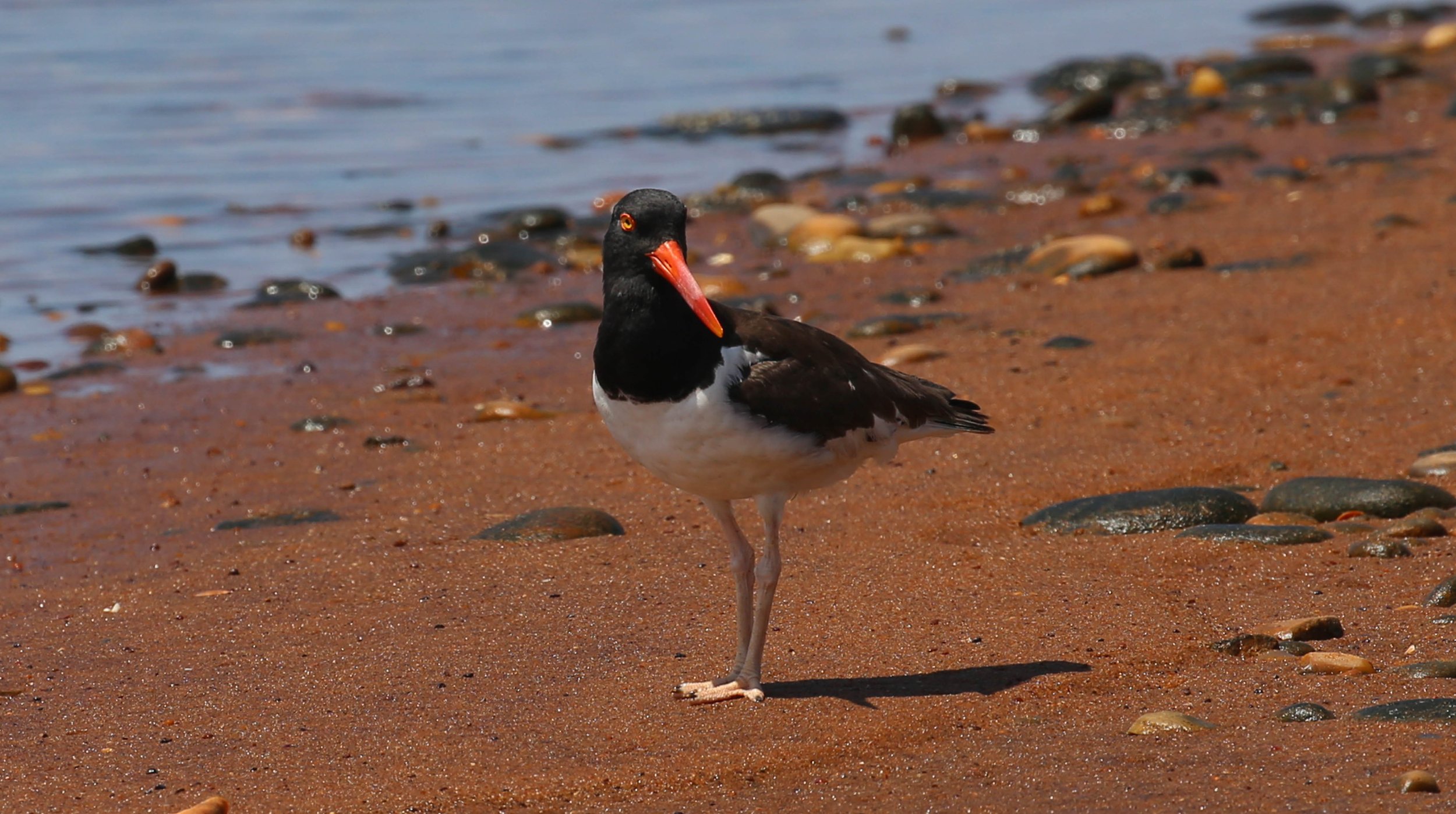
Catskills-Slide Mountain via Slide Mountain Trail & Curtis Ormsbee Trail, 6.57 Miles RT, 1,801' +/-, Max Elevation 4,184', October 5, 2025

Catskills-Slide Mountain via Slide Mountain Trail & Curtis Ormsbee Trail, 6.57 Miles RT, 1,801' +/-, Max Elevation 4,184', October 5, 2025

We left the city to hike Slide Mountain in the Catskills’ Slide Mountain Wilderness Area. Slide Mountain is the highest peak in the Catskills, located in the town of Shandaken in Ulster County. It’s also considered the tallest peak in the New York Metropolitan Area.

We parked in the lot off Olivera-Slide Mountain Road. At the trailhead, a helpful trail steward named Richard greeted us. It’s wonderful that New York offers trail stewards stationed at different parts of the trails to guide hikers and share information. We had originally planned to hike this trail as an out-and-back, crossing the West Branch of the Neversink River on the Phoenicia-East Branch Trail and then turning onto the Wittenberg-Cornell-Slide Trail to reach the summit. But Richard suggested returning via the Curtis-Ormsbee Trail to make a lollipop loop, and we happily took his advice.

The hike up to Slide’s summit begins by following the yellow-marked Phoenicia-East Branch Trail southwest, where it meets the red-marked Burroughs Range Trail. From there, we turned left, heading east straight to the summit.

The direct ascent didn’t waste any time as it immediately climbed steeply, with plenty of rocks to navigate. The trail started through hardwood forests and large moss-covered boulders that kept the trail interesting and took our minds off the steep ascent. As we approached the 3,500’ sign, the trees changed to conifers, which I believe were spruce and balsam fir. The change in elevation was obvious with the drop in temperature and the feel of the trail itself. The ground became sandier, and the air literally smelled like Christmas trees. The scenery was breathtaking, and the climb required a descent amount of effort. There were a few lookout points along the way to the summit to stop and soak in the views of the surrounding wilderness.

The summit itself is rounded, with mostly flat rock in the middle of a beautiful spruce grove. We could still see over the treetops into the distance. From there, the mountain drops steeply to the col with Cornell Mountain. If you wish, you can continue along the trail to Cornell and Wittenberg.

Just below the summit boulders sits a plaque dedicated to John Burroughs, a renowned naturalist who wrote about his climbs in the Catskills.

After exploring the summit, we turned back the way we had come until we reached the junction with the Curtis-Ormsbee Trail. From there, we followed the blue markers along a trail that descended steeply through spruce and then hardwoods, with panoramic views to the south and west. There were fun boulder scrambles along this route, and the terrain was a bit easier on the feet. The Curtis-Ormsbee Trail was named for William Curtis and Allen Ormsbee, who originally blazed it. Both later lost their lives during a mountaineering expedition in the White Mountains in 1900.

It was a wonderful day. Both the climb and the descent offered epic scenery and challenges that left us feeling satisfied and content.

Click “Read More” below for more photos from this hike.

Read More

Catskills-Windham High Peak via Escarpment Trail, 8.67 Miles RT, 1,916' +/-, Max Elevation 3,524', September 20, 2025

Catskills-Windham High Peak via Escarpment Trail, 8.67 Miles RT, 1,916' +/-, Max Elevation 3,524', September 20, 2025

We are exploring the Catskills and I am loving it! There are climbs here that make you work for it. It feels good to be back on respectively sized mountains again. We hiked to Windham High Peak via the Escarpment trail in the Elm Ridge Wild Forest. This hike is fairly straight forward without any rock scrambles; however, as you get closer to the peak, the mountain does get pretty steep. There are a few ledges at the summit with views out over the Hudson Valley and on the opposite side looking towards Blackhead, Black Dome and Thomas Cole mountains in the Windham-Blackhead Range Wilderness. Windham High Peak tops out at 3,524’ elevation, and there’s a geo tag on the summit. It was a great workout today! I look forward to more of these hikes and seeing more of these beautiful Catskill mountains. They’re just about a 2 hour drive from NYC.

Click “Read more” below for more photos.

Read More
Delaware Water Gap National Recreation Area, Orchard Trail, Hamilton Ridge Trail, Pioneer Trail Loop, 7.6 Miles RT, August 10, 2025

Delaware Water Gap National Recreation Area, Orchard Trail, Hamilton Ridge Trail, Pioneer Trail Loop, 7.6 Miles RT, August 10, 2025

This weekend was another one without high humidity, so I had to take advantage and get out on the trail. We went back to the Delaware Water Gap with plans to hike from Millbrook Village, starting out on the Orchard Trail, up to Hamilton Ridge, then descending on the Pioneer Trail with a side trip to the river. From there, we could either hike out to the waterfall at VanCampen’s Glen and back, or just loop around on Hamilton Ridge, depending on how hot it got.

The morning started out great! It was cool and refreshing with sunlight flickering in and out through the forest canopy. We hiked up the Orchard Trail past my favorite stand of cedar trees and ascended along a mossy green path to Hamilton Ridge. From there, the trail widened into a carriage road lined with hardwoods like shagbark hickory and oak, as well as conifers such as Eastern White Pine and Eastern Hemlock.

At the junction for the Pioneer Trail, we turned onto its narrow path, which passed through groves of white pine and eventually ran alongside a ravine that was almost completely dry. As we lost elevation, the trail became overgrown full of ferns and another leafy green plant I see all the time but still don’t know the name of. You could hardly tell there was a trail at all, but it was still easy enough to follow. I kept checking myself for ticks every few minutes, hoping I wouldn’t pick up any hitchhikers.

The last time we were here was in the fall, so I had never seen this trail in late summer. I was surprised it wasn’t better maintained because it’s such a beautiful route. We carried on, with glimpses of the river visible through the deciduous trees to our right. I couldn’t focus on the view for long because I was too busy bushwhacking through tall brush.

When we reached the side trail down to the river, it looked like it had been cleared more recently than the section we’d just traveled. There were kayak campers in the spots where we usually sit, so we found another path to the water not far from the campsite. We watched a few kayakers and some motorboats go by, had a snack, and then headed back.

By then, the day was starting to heat up, and I didn’t want to be hiking in the midday heat. We opted to loop back on Hamilton Ridge rather than take the extra mileage to VanCampen’s Glen, since from there the only way back to Millbrook is along the road. It was too hot for concrete walking and too busy with summer weekend traffic.

When we reached the Hamilton Ridge junction, the trail was overgrown again. We considered going back via the Glen, but decided to stick with our plan. We powered through the tall brush and climbed back up in elevation.

It was still a great hike, but the heat and the bushwhacking wore me out. As we reached the last stretch, the trail leveled off and I cooled down. The forest felt peaceful with the hum of cicadas and the earthy scent of late summer. The sun broke through the canopy, lighting the moss and ferns in deep shades of green. I could feel the afternoon air becoming heavier. But even with the overgrown trails and a layer of sweat and trail dust on my body, I was grateful to be out here. Days like this remind me that even when the trails aren’t perfect, it’s always worth lacing up my boots and seeing where they take me.

Click “Read More” below for more photos from this hike.

Read More

Delaware Water Gap National Recreation Area, Blue Mountain Lake, Hemlock Pond, Crater Lake, Lake Success Loop, approx. 8 miles RT, August 3, 2025

Delaware Water Gap National Recreation Area, Blue Mountain Lake, Hemlock Pond, Crater Lake, Lake Success Loop, approx. 8 miles RT, August 3, 2025

I hadn’t been out on the trail since March. My last hike was in Joshua Tree during the spring. Since then, summer in New York has been unbearable. With climate change, the heatwaves are more frequent and longer lasting, and we’ve had more than normal rain and flooding. But finally, this weekend we got a break - sunshine, no humidity (rare for the east coast), and a high of about 80 degrees at the Delaware Water Gap.

The DWG is about an hour and 45 minutes from Manhattan. We hit the trail early to stay ahead of the heat. As the car climbed the winding mountain road, we passed through low-hanging morning clouds. Sunlight filtered through the trees, casting soft beams through the mist across the road. It felt almost ethereal and I thought to myself, “The forest is welcoming us back.”

When I stepped out of the car just after 8 a.m., it was 56 degrees. For the first time in months, I actually felt chilly. It was amazing!

Our route was an 8-mile loop: from Blue Mountain Lake to Hemlock Pond, up to the ridge via a connector trail to the AT, past Lake Success, around Crater Lake, and back. We hiked it clockwise so we could spend time on the cliffs at Indian Rocks first. We made our way through pitch pines and up to the edge of the cliffs, where we sprawled out on a flat rock, taking in the quiet and the distance from the city. I love New York, but I can’t do it without balance. I need wild places and space with no people, no concrete, and no noise. The stillness was like a song in my ears. I stared up at the tops of the pines and then closed my eyes, finally able to breathe.

Eventually, we continued on to Hemlock Pond. We didn’t linger there as we usually do because this time of year, black snakes and corn snakes often nest between the rocks. They’re harmless, but I preferred not to disturb them. We climbed the connector trail to the AT and veered off toward Lake Success. There’s a beaver dam on this lake, and last time I was here, the beaver had chewed down a number of trees on the shore. I was curious to see how much more he’d worked on since then, but it didn’t look too bad.

At Crater Lake, we stopped at a picnic table for a snack before finishing the loop back to Blue Mountain Lake where I spotted a corn snake in the water, patiently waiting for a fish. One swam close, but the snake didn’t seem particularly interested. It slithered off out of the water and back to the grassy shore.

By the time we made it back to the car, I felt like myself again; clear-headed, calm, and reconnected to nature. It was exactly what I needed: a cool morning, a quiet forest, and a reminder that nature always welcomes you back.

Click “Read More” below for more photos from this hike.

Read More

Pinelands National Reserve, Franklin Parker Preserve, 5.74 Miles RT, 79' +/-, March 1, 2025

Pinelands National Reserve, Franklin Parker Preserve, 5.74 Miles RT, 79' +/-, March 1, 2025

Today, we visited a very special place, the Pinelands National Reserve in New Jersey. The Pine Barrens have been on my bucklist to hike and today was the day. Weather conditions were sunny in the low 60s and perfect for hiking.

The Pinelands, also known as the Pine Barrens, is the largest surviving forest on the eastern seaboard between Maine’s North Woods and the Florida Everglades. The biodiversity here is remarkable! It is truly a unique and special place.

The ecosystem consists of acidic, low-nutrient water and soil, which support a wide variety of plant and wildlife species that have adapted to these conditions. The Pinelands provide critical habitat for over 50 rare, threatened, or endangered species. Here, you can find bald eagles, northern pine snakes, pine barrens tree frogs, and rare plants such as the pine barrens gentian and bog asphodel, to name just a few. Spanning over 800,000 acres, the Pinelands forest has only about half of its land permanently preserved.

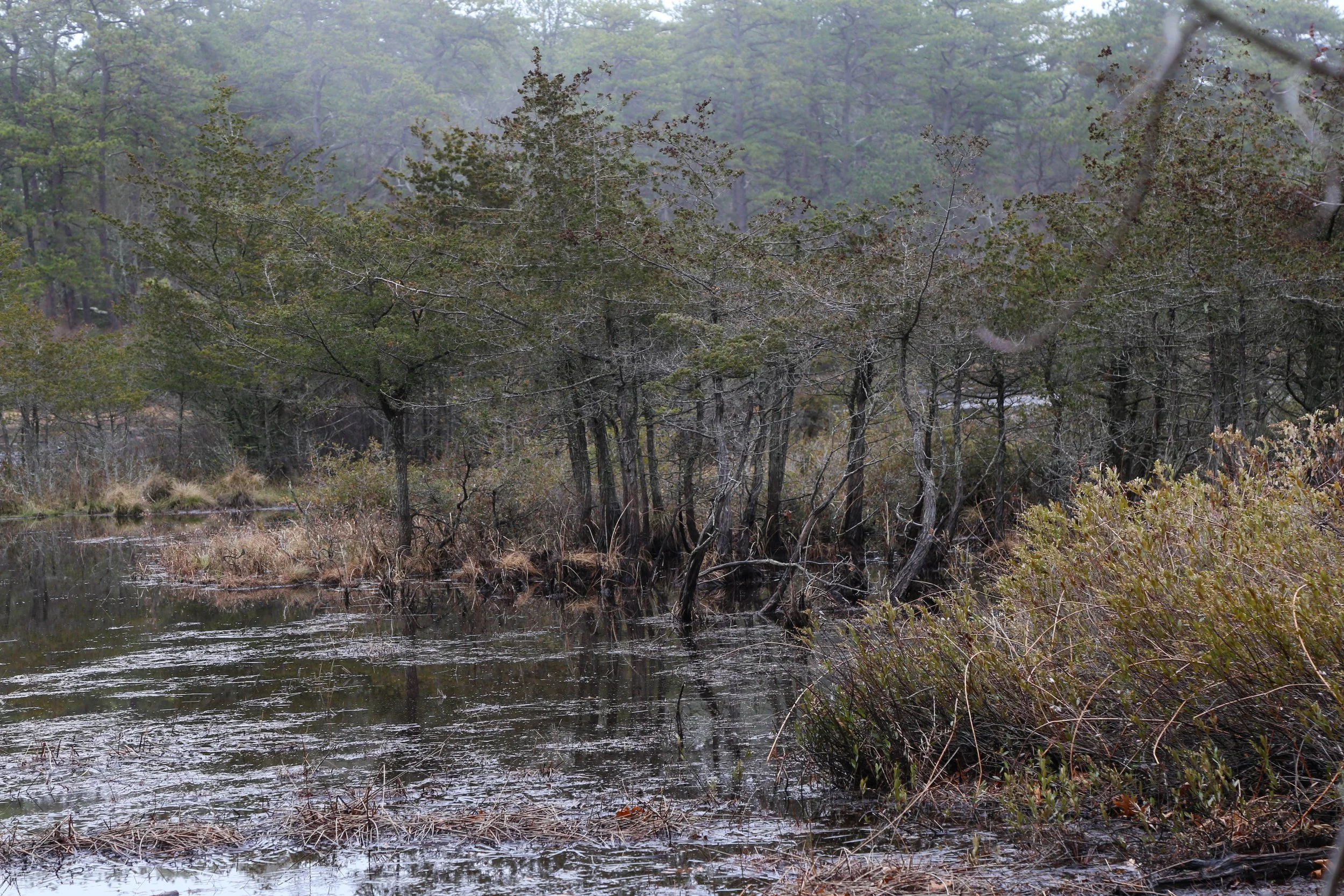
Today, our hike took place at the Franklin Parker Preserve, the New Jersey Conservation Foundation’s largest property, covering 16 square miles in the heart of the Pine Barrens. We followed the Sam Lambert Trail, formerly known simply as the Red Trail, which is marked by red blazes. The loop trail led us through beautiful pitch pine forests and cedar swamps, with sandy roads winding through the woods, past shallow lakes and tributaries of the West Branch of the Wading River.

Once home to an active cranberry and blueberry farm, the land was purchased by the New Jersey Conservation Foundation in 2003 and is now a protected nature preserve. Efforts are underway to restore the land to functioning wetlands, providing essential habitat for a diverse variety of plants and animals.

There was little to no elevation on this hike, and the terrain was easy walking, allowing us to enjoy the scenery and take in all its beauty.

Discovering this incredible gem in such a densely populated state was a delightful surprise. I look forward to exploring more of this unique and beautiful area.

Click “Read More” below for more photos from this hike.

Read More

Tuscarora State Park, Spirit of Tuscarora Trail, October 27, 2024

Tuscarora State Park, Spirit of Tuscarora Trail, October 27, 2024

I missed out on most of the fall colors this year. Life got in the way and I wasn’t able to get out as much as I would have liked. I did, however, manage to get in this enjoyable day on the Spirit of Tuscarora Trail in late October. Tuscarora State Park is one of my favorites in Northeastern Pennsylvania due to its easy terrain. There aren’t many jutting rocks covering the trail trying to trip you as you hike. On this trail, I can relax and look around at the scenery instead of staring down at my feet. The day was sunny and comfortable. We took our time and did the figure eight loop which is only about 5 miles.

To see more photos from this hike click “Read More” below.

Read More

Loyalsock State Forest, Fern Ridge Trail and Equestrian Trail, September 23, 2024

Loyalsock State Forest, Fern Ridge Trail and Equestrian Trail, September 23, 2024

We spent another weekend camping at World’s End State Park. This time for our hike we wanted an easy route just to stretch our legs. I wanted to spend more time at the campsite enjoying a campfire and toasting marshmallows. We drove to the Fern Ridge Trailhead and decided to explore. It was wet and boggy with too many slippery rocks. We opted to explore the Equestrian Trail instead which offered an easy walk without having to gaze down at our footing every step. We got back to camp just as the sun began to fall below the horizon. We set up the tent, built a fire and settled in to enjoy the quiet evening. It was a new moon and the forest was as black as I’d ever seen it. Millions of stars sparkled overhead. When we got tired we cozied up in our tent in our sleeping bags and drifted off to sleep. Sometime during the night a Barred Owl visited the trees just above our tent. I loved listening to the calls in the darkness with hardly another soul around.

For more photos click “Read More” below.”

Read More

Delaware Water Gap National Recreation Area: Blue Mountain Lake, Hemlock Pond, Lake Success, Crater Lake Loop, 8+ Miles RT, September 2, 2024

Delaware Water Gap National Recreation Area:  Blue Mountain Lake, Hemlock Pond, Lake Success, Crater Lake Loop, 8+ Miles RT, September 2, 2024

September 2nd and finally a nice day! Low humidity and sunshine. Very rare for the east coast. We took advantage of the weather and hiked the 8 mile loop from Blue Mountain Lake, past Hemlock Pond. Then headed up the rocky trail to Lake Success and Crater Lake. A beautiful way to spend the holiday.

Click “Read More” below for more photos from this hike.

Read More

Swiftwater Forest Preserve, August 11, 2024

Swiftwater Forest Preserve, August 11, 2024

This summer has been unbearable with the heat and humidity. I’m afraid with global climate change, this may be our new normal. But today it was a little cooler and we took advantage of the favorable weather and got out for a hike at Swiftwater Forest Preserve in Paradise Township. I love this short hike for its coniferous forest and soft, pine needle-covered trails. It’s a mellow hike and today there were so many mushrooms to look at. We had heavy rains this week, but the trails were mostly dry and not too buggy. We took our time exploring and enjoying the fresh morning air.

Click “Read More” below for more photos.

Read More
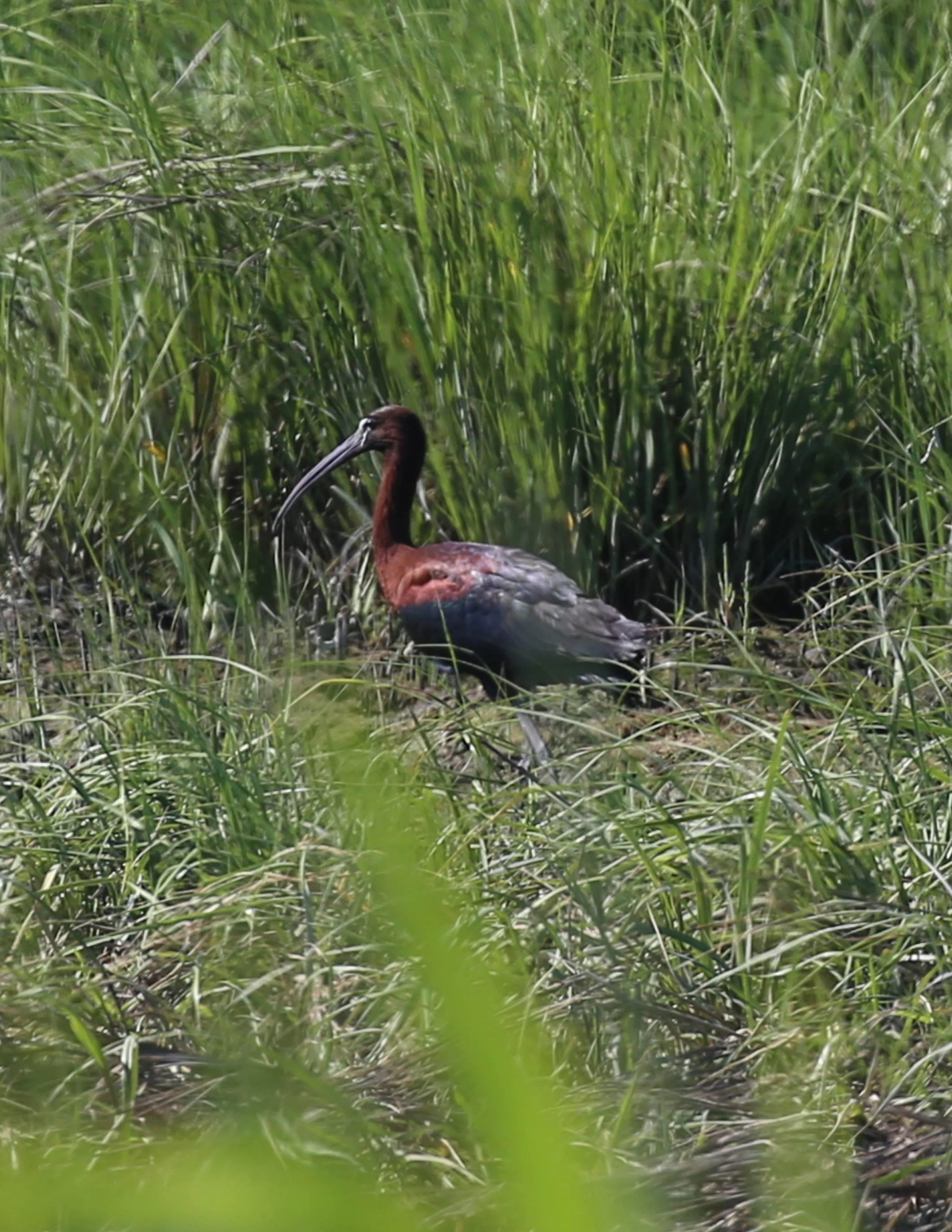
Worlds End State Park Camping & Hiking in Loyalsock State Forest, July 7 & 8, 2024

Worlds End State Park Camping & Hiking in Loyalsock State Forest, July 7 & 8, 2024

We spent the weekend camping at Worlds End State Park. It’s the height of summer and the weather was quite warm. We did a few short hikes on a section of the Loyalsock Trail, but the purpose of our trip was mostly to enjoy the campsite and relax without feeling obligated to reach a specific destination or hike lengthy miles. We did a loop starting at Coal Mine Road, where we headed into the forest on the a dirt trail and finished with a trek back on Coal Mine Road where we checked out the more primitive campsites. In the early evening, we drove to High Knob overlook which offered sweeping views of the Loyalsock State Forest before settling in back at the campsite. It was the perfect amount of hiking, site seeing and relaxing for a warm summer weekend.

Click “Read More” below for more photos.

Read More

Camping at Worlds End State Park, Loyalsock State Forest, June 9 and 10, 2024

Camping at Worlds End State Park, Loyalsock State Forest, June 9 and 10, 2024

We spent a relaxing weekend camping at World’s End State Park. We did a few miles of hiking but didn’t commit ourselves to completing any particular trails. It was simply a weekend of relaxing by the fire, making s’mores, and enjoying nature and each other’s company.

Click “Read More” below for more photos from this trip.

Read More